
The adventure continues but before I begin, I must give the disclaimer that I am not a doctor and I am not claiming expertise in this field; I am simply exploring other treatment options and have invited you in on my journey. Now back to the story…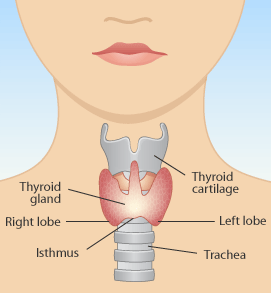
As a registered dietitian in an outpatient clinic I see an abundance of people pursuing weight loss. A few years ago I was diagnosed with hypothyroidism. This is a condition where your thyroid gland does not produce adequate amounts of thyroid hormone but can stress itself out as it attempts to increase this hormone by dumping more and more of the stimulating hormone (TSH) into the body. Since then this condition has peaked my interest and it seemed as though the prevalence and incidence of this disease was increasing. I did a little bit of research and found out that I was right. The prevalence of hypothyroidism IS increasing especially in middle-aged women, I.E. the women I see in my center pursuing weight loss.
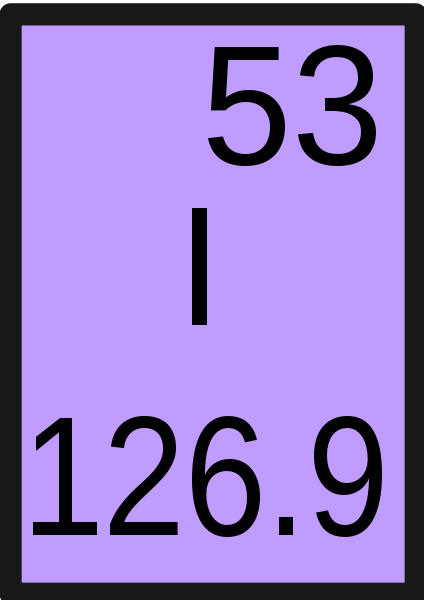
Taking the little blue pill (no not that little blue pill) every morning seemed like a viable option upon diagnosis, but after talking to my Ayurvedic friend I was convinced that there had to be another option. It turns out that my “healthy” diet may be exacerbating my condition. Since healthy eating is a passion of mine, you know that my daily meal plan is full of soy, cruciferous veggies, dark leafy greens, and kidney beans. As it turns out, these foods have been known to depress thyroid activity. I have also read that a diet low in iodine can promote hypothyroidism and therefore adequate levels of iodine (150mcg per day) for 3 weeks can promote healthy thyroid function. Yes, our table salt has been fortified with iodine, but what if you don’t have a salt shaker at home and don’t desire to follow a high sodium diet? Additionally, foods high in tyrosine can support adrenal and thyroid activities.
My Mission: Identify a dietary lifestyle that promotes thyroid health and eliminates the need for hypothyroid medication.
My Solution: Follow an iodine-sufficient meal plan with more sources of tyrosine and limited amounts of soy, cruciferous vegetables and leafy greens for 1 month.
I will definitely be sharing my meal plan, but in the mean time let me know if you have questions or comments about my mission, solution or other nutrition-related issues. Let’s figure this out together!
Written by: Cassie Vanderwall


Comments
4 responses to “Hypo-What?”
Nice post, Cassie! Limiting goitrogenic foods feels so counterintuitive from our common recommendations! I also suggest avoiding other endocrine-disrupting compounds and outside sources of hormones. This would include: teflon non-stick pans, cooking/heating in plastic, non-organic animal products, and conventional laundry detergents. Cheers to your health!
Thanks for chiming in Lace! I definitely appreciate your expertise in complimentary and alternative medicine practices. When you have a minute can you expand on what types of “endocrine-disrupting compounds” you were referring to? I’d like to exclude these in my meal plan. Thanks a million!
Hi Cassie, Here is a website that lists different environmental agents that may negatively affect the endocrine system. BPA, PCB’s, laundry detergents, dry-cleaning chemicals, and isolated soy proteins are some examples. http://www.niehs.nih.gov/health/topics/agents/endocrine/index.cfm
In terms of CAM, it’s also interesting to ponder what the thyroid represents in alternative modalities. The throat chakra is symbolic of our ability to express ourself honestly and speak our emotions openly. Suppressing the throat chakra is believed to be linked to hypothyroidism.
[…] My mission remains to identify a dietary lifestyle that promotes thyroid health and eliminates the need for hypothyroid medication. My initial challenge was to follow an iodine-sufficient meal plan with limited amounts of soy, cruciferous vegetables and leafy greens for 1 month. I have been following my meal plan since April 1. I discovered prior to starting the plan that my typical dietary intake was clearly deficient in iodine, while being quite high in soy protein and cruciferous vegetables…whoops! […]