Nobody does this alone.
Everybody says “it takes a village” to raise a child. But what happens when that baby becomes a teenager, struggles socially, and eventually launches into the real world? Where does the village go? If it stays, what does it do?
Thirteen years ago, I learned a lesson no textbook had ever taught me: nobody raises babies alone. We know from ancient cultures and those today who preserve family and community that child-rearing was always intended to be done together. Asking for help can feel like a hit to the ego or a burden on someone else, but connection keeps us healthy, and giving benefits both the helper and the person being helped.
In Bump to Baby(ies), I talk about building your village, the circle of people who show up, share the load, and remind you that you aren’t doing this by yourself. What I didn’t fully appreciate back then is that the village isn’t just a parenting survival strategy. It’s a health strategy. For all of us, at every age.
Today my quints are 13. Our house has traded color-coded bottles for group chats, and I’m squarely in midlife, where stress and sleep can feel like full-time negotiations. So, wearing both my mom hat and my population health hat, I want to make the case for something we rarely put on our wellness checklist: connection as a daily health habit, right alongside eating well, moving your body, and getting enough sleep.
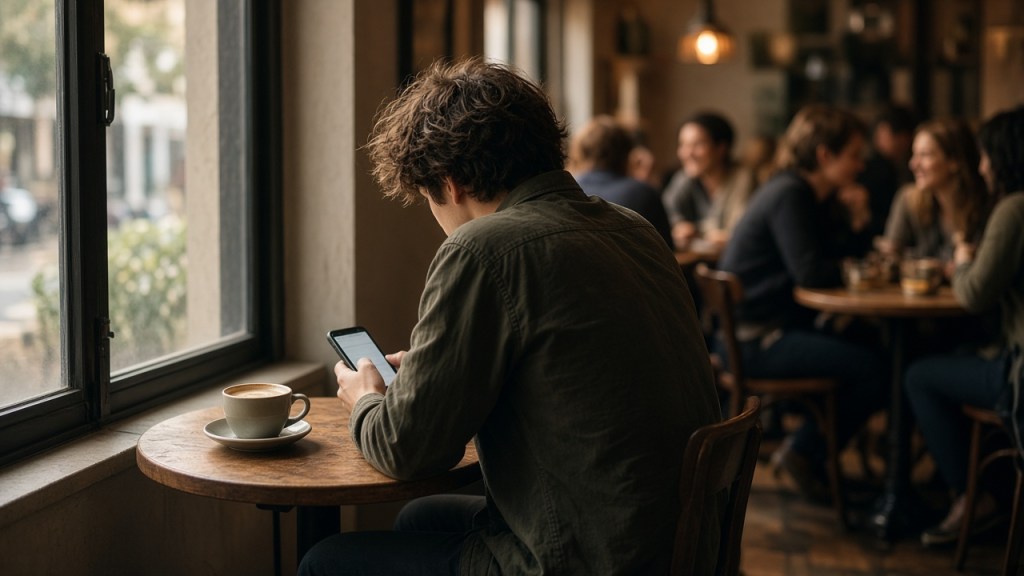
Loneliness is a population health issue
When public health folks call something a population health issue, we mean it’s common, it affects some groups more than others, and it shows up in health outcomes and costs. Loneliness checks every box.
- It’s global. In June 2025, the World Health Organization (WHO) Commission on Social Connection reported that about 1 in 6 people worldwide feel lonely. Loneliness is linked to an estimated 871,000 deaths every year, roughly 100 deaths an hour.
- It’s daily for many Americans. In Gallup’s ongoing tracking, about 1 in 5 U.S. adults (20% in early 2026) say they felt lonely “a lot of the day yesterday,” up from 17% in early 2023.
- It’s weekly for even more. The American Psychiatric Association’s 2024 Healthy Minds poll found 30% of U.S. adults felt lonely at least once a week in the past year, and 10% felt lonely every day.
- It’s climbing in midlife. AARP’s 2025 national study found 40% of adults 45 and older are lonely, up from 35% in both 2010 and 2018.
Who’s most affected? Young people top the list. WHO estimates 17% to 21% of people ages 13 to 29 feel lonely, with the highest rates among teens, and Gallup found 29% of U.S. adults ages 18 to 29 reported daily loneliness in mid-2025. Income matters too: about 24% of people in low-income countries feel lonely compared with about 11% in high-income countries, and people living with fair or poor physical or mental health also report much higher rates.
And it’s not just a feeling. The U.S. Surgeon General’s 2023 advisory reported that a lack of social connection raises the risk of premature death about as much as smoking up to 15 cigarettes a day. Poor social connection is linked to a 29% higher risk of heart disease and a 32% higher risk of stroke, and chronic loneliness and isolation can raise dementia risk by about 50% in older adults. The costs add up as well: social isolation among older adults is tied to an estimated $6.7 billion in extra Medicare spending each year, and stress-related absenteeism linked to loneliness costs U.S. employers an estimated $154 billion annually.
Part of what’s happening is simply time. Between 2003 and 2020, Americans’ in-person time with friends dropped from about 60 minutes a day to about 20. For people ages 15 to 24, it fell by nearly 70%, from about 150 minutes a day to 40.
Being alone and being lonely aren’t the same thing. WHO describes loneliness as the painful gap between the connection we want and the connection we have. That’s good news, because gaps can be closed.
How loneliness gets “under the skin”
In my population health work, we use logic models to map how conditions and actions lead to results over time. Here’s a consumer-friendly version for loneliness and connection. Think of it as a simplified illustration, not a clinical or diagnostic tool.
| Logic model step | What it means | Everyday examples |
| Inputs and risk factors | Conditions that make disconnection more likely | Big life transitions (new baby, move, divorce, retirement, loss), long work or caregiving hours, low income, chronic illness, hearing or mobility challenges, screens replacing face-to-face time |
| Activities and protective actions | What we do, on purpose and on repeat, to connect | Shared meals, standing friend dates, walking groups, faith or civic groups, volunteering, asking for (and offering) help, phone-free routines |
| Outputs | The measurable “doses” of connection | Number of in-person conversations per week, people you could call at 2 a.m., meals shared, groups you belong to |
| Short-term outcomes | What shifts in weeks to months | Lower perceived stress, better mood, better sleep quality, more energy for healthy habits, feeling that you belong |
| Long-term outcomes | What shifts over years and across a population | Lower risk of heart disease, stroke, type 2 diabetes, depression, and dementia; longer life; stronger, more resilient communities |
Now let’s stretch that across the life cycle. The risks and the remedies change as we grow, but the need for a village never goes away.
- Infancy and new parents: Accepting meals and help, parent groups, relief or respite care can all provide an outlet for parents and support both their stress levels and mood.
- Childhood: Honoring family meals, permitting unstructured play, and exposing children to other adults can build social skills, promote early emotional regulation and a sense of safety.
- Adolescence: Encouraging in-person connection with clubs and after school activities, sports, and device-free bedrooms and help promote healthy sleep patterns, stable mood and stronger coping skills.
- Young Adulthood: This is currently the loneliest age group. Small group dinners, community groups, intramural activities and volunteering are all proven ways to support belonging and purpose to combat social isolation.
- Midlife: The sandwich generation often cares for both children and parents, which adds up to a palpable busyness. Standing friend dates, walk-and-talks, and asking for help can ease stress, support sleep, and keep us connected.
- Older Adults: Retirement, loss of a partner and changes in sight, hearing or mobility can increase isolation. Volunteering, community groups, shared meals, and caregiving roles can help protect independence, cognitive health, and longevity.
Hyperconnected and still lonely
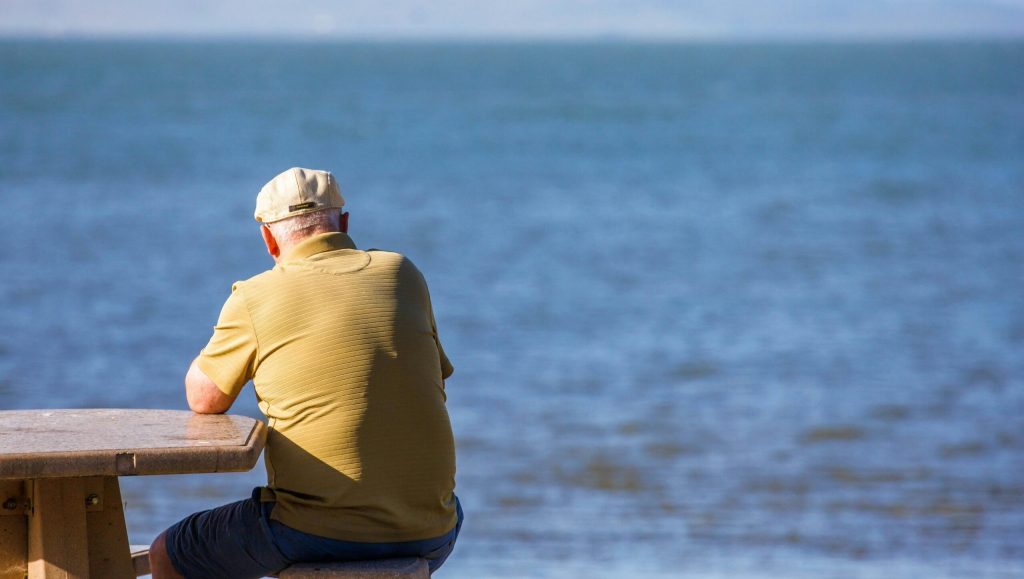
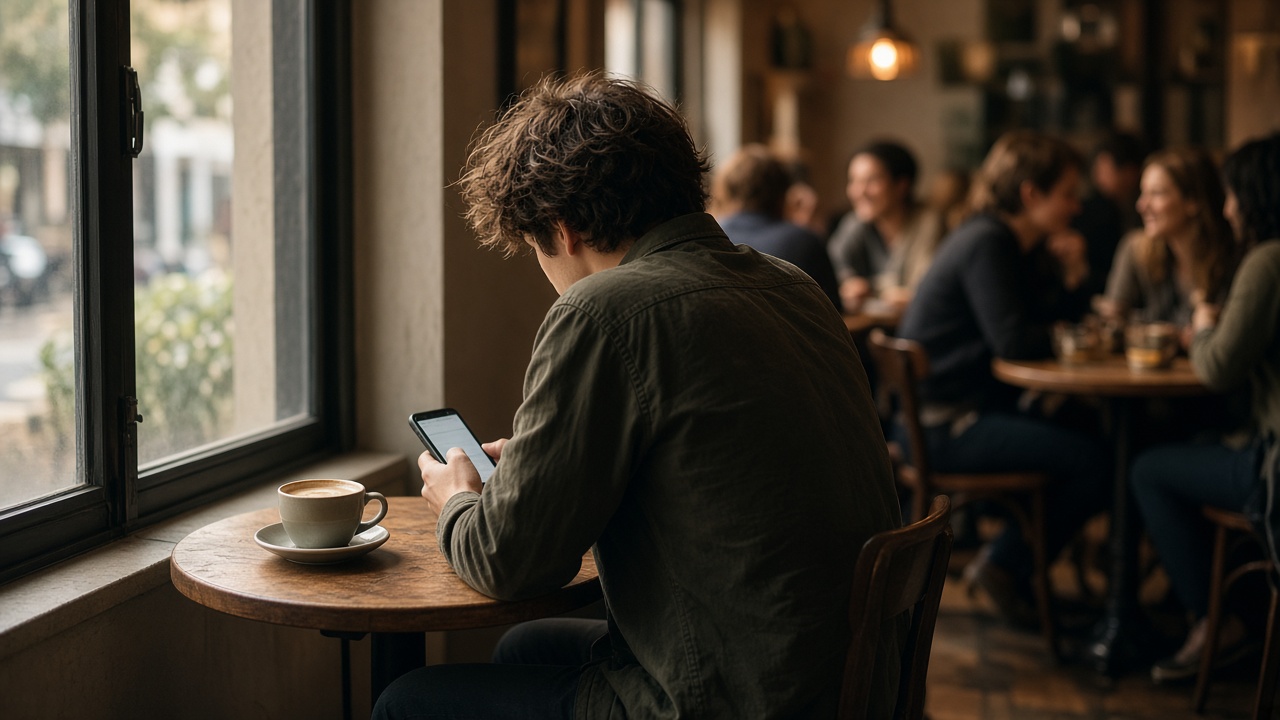
I was surprised to learn that young adults are now the loneliest age group. Our teens and young people are the most connected generation in history. In Pew Research Center’s fall 2025 survey, 4 in 10 U.S. teens said they’re online “almost constantly,” up from 24% a decade ago. About 1 in 5 say they’re on TikTok or YouTube almost constantly. Despite this constant connection, nearly half (48%) said social media has a mostly negative effect on people their age, and 45% said it hurts their sleep.
Our kids are contact-rich but connection-poor. A thousand likes on their latest post doesn’t add up to one friend who notices that they’re quiet at lunch. The goal here isn’t to demonize phones or social media but rather to make sure the online village doesn’t crowd out the in-person one.
Why connection is whole person wellness
I’m a dietitian, so in my world connection is a nutrient for the whole person. It touches every dimension of wellbeing.
- Physical. Social connection can reduce inflammation and lower the risk of serious health problems, according to WHO. The Surgeon General’s advisory describes how disconnection is tied to changes in blood pressure, stress hormones, and inflammation, plus a higher risk of heart disease and stroke.
- Emotional. WHO reports that lonely people are about twice as likely to experience depression. Connection is a buffer when life gets heavy.
- Social and behavioral. Our people nudge our habits. A friend who walks with you, a partner who reminds you to take your medication, or a family that eats dinner together makes healthy choices easier.
- Sleep. Because loneliness and poor sleep feed each other, feeling safe and supported is part of good sleep hygiene.
We schedule our workouts and plan our meals. Connection deserves a spot on the calendar, too.
Here’s how to make it a habit:
- Stack it. Pair connection with something you already do: call a friend on your daily walk, or invite a neighbor to your Saturday farmers market run.
- Set a standing date. Recurring plans (first Friday soup night, Tuesday walk-and-talk) remove the “we should get together sometime” friction and make it happen.
- Upgrade the channel. Turn one text thread a week into a voice call, and one call a month into an in-person visit.
- Share one more meal. Add one shared meal a week, with family, roommates, or neighbors.
- Join something with a rhythm. Choirs, rec leagues, volunteer shifts, and faith communities create belonging without constant planning.
- Park the phones and protect sleep together. A household-wide wind-down time and phone parking spot helps everyone. A family charging station outside bedrooms protects sleep and opens up space for bedtime talks.
- One more trusted adult. Help your child or teen name one adult beyond you (a coach, aunt, teacher, or neighbor) they could go to.
- Ask and offer. A village works both ways. Let someone help you this week, and help someone else.
- Know when to reach out for more. If loneliness or sadness lingers, talk with your health care provider. If you or someone you love is in crisis, call or text 988 (the Suicide and Crisis Lifeline).
The domains of wellbeing are interconnected. Full investment in one area like physical health may tax our mental, emotional and social wellbeing.
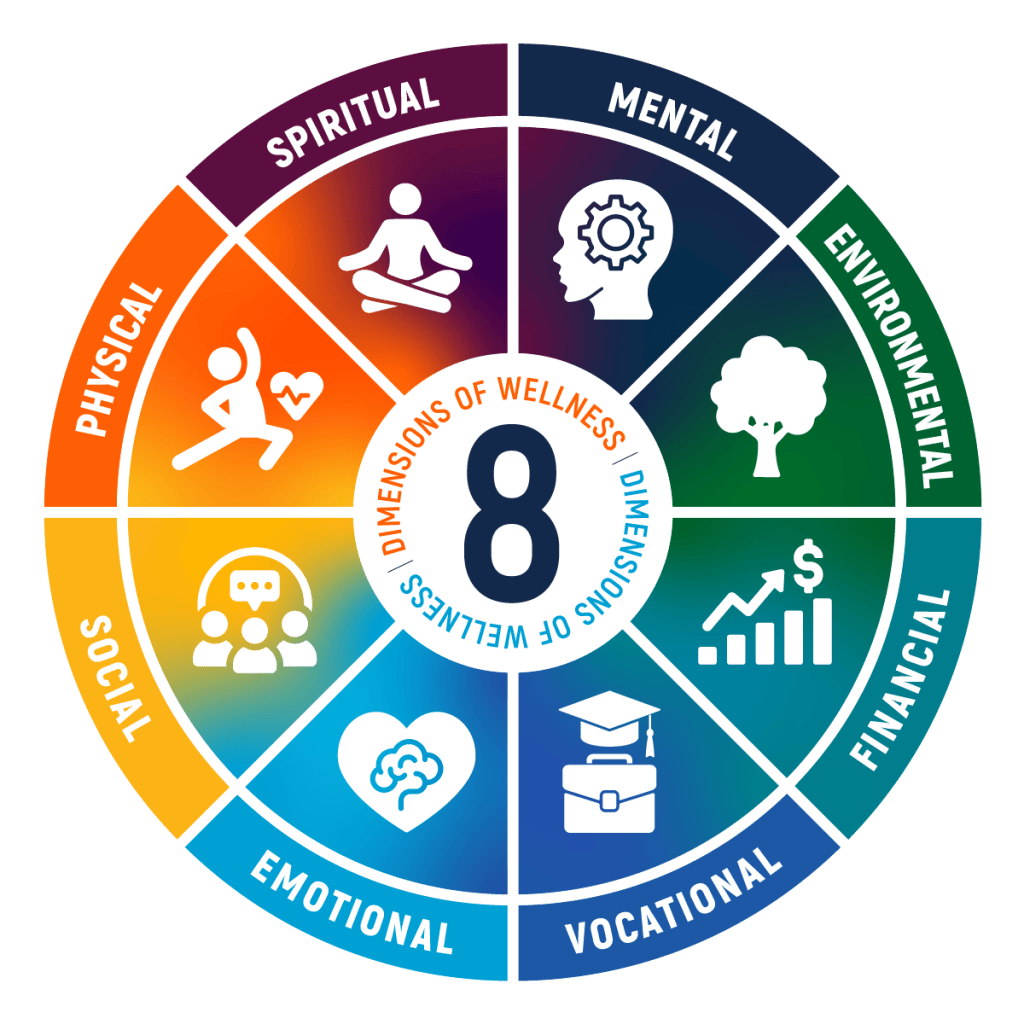
Pause and reflect. How can you take one step closer to overall health by investing in connection today?
References
- World Health Organization. From loneliness to social connection: charting a path to healthier societies. Report of the WHO Commission on Social Connection. June 30, 2025. https://www.who.int/groups/commission-on-social-connection/report
- World Health Organization. Social connection linked to improved health and reduced risk of early death (news release). June 30, 2025. https://www.who.int/news/item/30-06-2025-social-connection-linked-to-improved-heath-and-reduced-risk-of-early-death
- Office of the U.S. Surgeon General. Our Epidemic of Loneliness and Isolation: The U.S. Surgeon General’s Advisory on the Healing Effects of Social Connection and Community. 2023. https://www.hhs.gov/sites/default/files/surgeon-general-social-connection-advisory.pdf
- Gallup. U.S. Depression Rate Remains Elevated (includes daily loneliness trend through Feb. 2026). April 21, 2026. https://news.gallup.com/poll/708221/depression-rate-remains-elevated.aspx
- Gallup. U.S. Depression Rate Remains Historically High (loneliness by age, Q1 2023 vs. Q2 2025). 2025. https://news.gallup.com/poll/694199/u.s.-depression-rate-remains-historically-high.aspx
- American Psychiatric Association. New APA Poll: One in Three Americans Feels Lonely Every Week. January 2024. https://www.psychiatry.org/news-room/news-releases/new-apa-poll-one-in-three-americans-feels-lonely-e
- AARP Research. Disconnected: The Escalating Challenge of Loneliness Among Adults 45-Plus. December 2025. https://www.aarp.org/pri/topics/social-leisure/relationships/loneliness-social-connections-2025/ (doi:10.26419/res.00983.001)
- AARP. New AARP Research: Loneliness is on the Rise, Affecting 4 in 10 Older Adults (press release). December 3, 2025. https://www.aarp.org/family-relationships/loneliness-epidemic-survey/
- Pew Research Center. Teens, Social Media and AI Chatbots 2025. December 9, 2025. https://www.pewresearch.org/internet/2025/12/09/teens-social-media-and-ai-chatbots-2025/
- Pew Research Center. 10 facts about teens and social media. July 10, 2025. https://www.pewresearch.org/short-reads/2025/07/10/10-facts-about-teens-and-social-media/
- Pew Research Center. Social Media and Teens’ Mental Health: What Teens and Their Parents Say. April 22, 2025. https://www.pewresearch.org/internet/2025/04/22/teens-social-media-and-mental-health/
- Holt-Lunstad J, Smith TB, Layton JB. Social relationships and mortality risk: a meta-analytic review. PLoS Medicine. 2010. https://doi.org/10.1371/journal.pmed.1000316 (source of the “15 cigarettes a day” comparison cited in the Surgeon General’s advisory)
- Hom MA, Chu C, Rogers ML, Joiner TE. A Meta-Analysis of the Relationship Between Sleep Problems and Loneliness. Clinical Psychological Science. 2020. https://doi.org/10.1177/2167702620922969

