
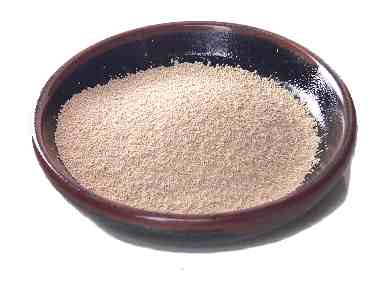
 An important, but rare, question is what to do when your body becomes an incubator for yeast? Candida albicans are a form of yeast that is normally found in a person’s digestive tract and skin. Healthy individuals do not have issues controlling these microbial residents. Our friendly bacteria, or probiotics, typically keep Candida in check. However, several factors can alter the body’s environment and promote overgrowth of yeast.
Chronic use or exposure of Antibiotics, Sulfa drugs, Steroid hormones, Immunosuppressants, and an Unhealthy diet or dieting can set the scene and give candida the opportunity to grow. Additionally, a weak immune system can give way to candida overgrowth. Then, this friendly fungus can be transformed into a harmful condition called candidiasis.
This systemic infection has many signs and symptoms, including:
- Diarrhea/Constipation
- Fatigue, Tiredness, Lack of energy
- Poor mental focus or “Brain Fog”
- Poor balance, dizziness or vertigo
- Depression and/ or Anxiety
- Increased susceptibility to food allergies and intolerances
- Oral candidiasis or “Thrush”
- Vaginal candidiasis
As you can see this condition can be confused with many others that share similar signs and symptoms.
The good news is that this condition can be controlled by combining Eastern and Western medicine! There are a variety of anti-fungal medications that a physician can provide to treat the variety of candidiasis. One can also follow a dietary lifestyle that can slow the rampant growth of yeast cells.
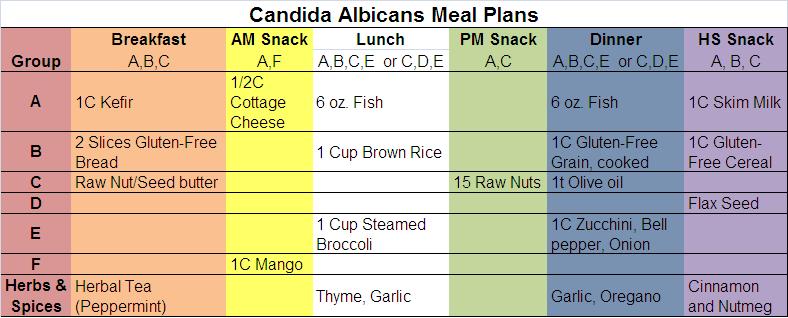
Since yeast, just like the ingredient in bread, uses refined sugar and wheat to thrive, so does the yeast in our bodies. It is important to promote a wheat-free meal plan with limited simple sugars and flours. The meal plan below is an example:
Additionally, there are an abundance of natural ingredients with anti-fungal properties. These include garlic, thyme, oregano, and grapefruit seed extract. Goldenseal root and Tea Tree Oil, in supplemental form, are also recommended by many as a natural anti-fungal agent. Also, as mentioned before probiotics, or good bacteria, can help to promote a healthy digestive tract and keep yeast in its place. The two recommended strains found in both yogurt and supplements are Bifidobacteria bifidum and Lactobacillus acidophilus.
This may come as a random post to some, but in my research to assist one of my clients I found that there was not a lot of information on nutrition therapy for candidiasis. So, I hope that this will spark some discussion on others’ experiences with Candida albicans and how to naturally keep it at bay.
Written by: Cassie Vanderwall

