
The Focus on Family series would not be complete without a post on Daddy’s nutrition. Unfortunately, men get moved up the totem pole when babies are on the way. [Fun fact: the higher you are on the totem pole, the less important you are]. However, this certainly is not the case. The presence of a father in the home and in a child’s life is often more critical for their behavioral development than the mother- research says so.
Therefore, it’s uber important to keep Dad strong during the transition of a growing family. The following will explore several facets of men’s nutrition focused primarily on supporting testosterone levels.
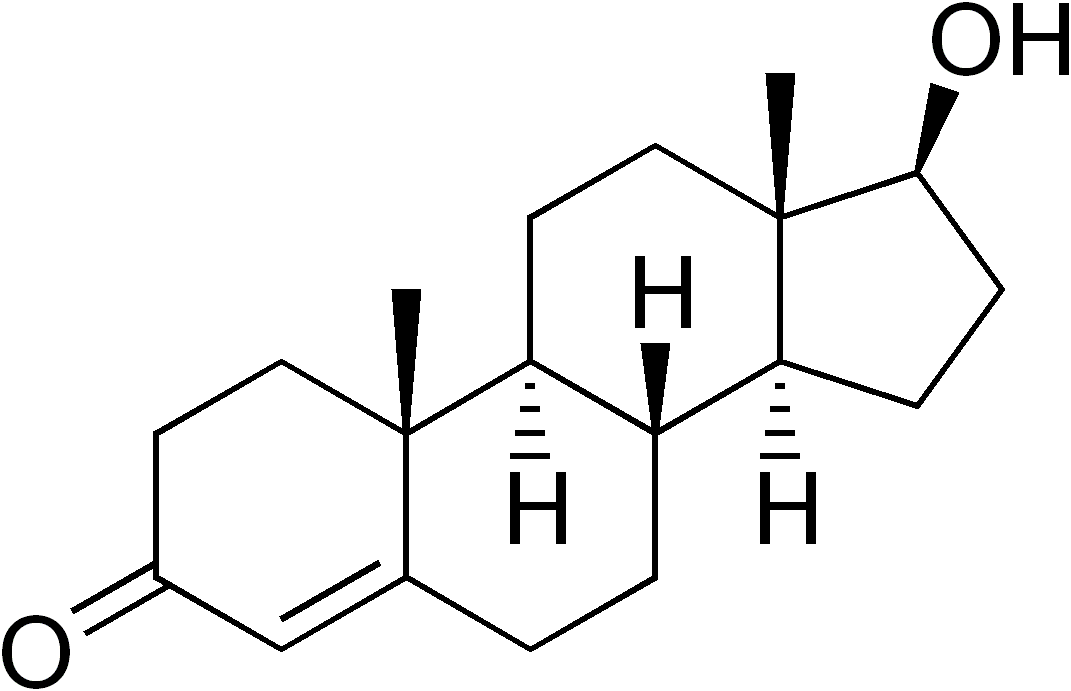 Testosterone is the primary male hormone. This androgen is responsible for the characteristic “male” who is strong, muscular, vibrant and quite the opposite of the weakening, emotional and tired grandpa. Testosterone levels begin to decline naturally when men enter their 30’s and after 40 these levels decrease about 1% a year. This decline can begin even earlier if a young man is under a great amount of stress, overweight and unfit. The best way to support healthy testosterone levels throughout the life cycle is through good nutrition, regular intense exercise, and stress management.
The easiest way to remember the following recommendations for Daddy’s health is to think Caveman.
Pass the Meat, Please
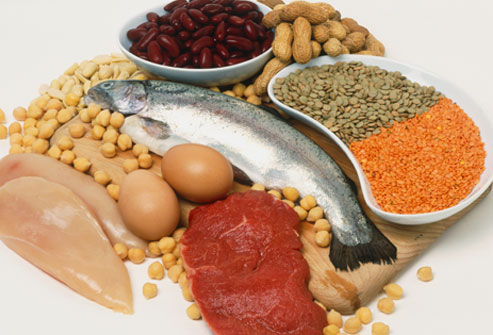 Nutrition plays a huge role in testosterone regulation due to the importance of providing energy and ingredients for hormone production, as well as, muscle mass. Overall, the most appropriate diet for men appears to be one that is high in lean protein and healthy fat and moderate in carbohydrate. This meal pattern would encourage lean sources of beef, skinless chicken, and fatty fish while also encouraging good sources of fat like nuts, seeds, avocado and olives. Be sure to also minimize intake of unhealthy fats, or saturated and trans fats. Carbohydrates are also very important, so a low carb diet is not the way to go. Rather it is best to choose carbs that are digested and processed more slowly, or those that are loaded with fiber such as beans, peas, and whole grains including oats, brown rice, barley, etc.
This dietary pattern will also help to maintain adequate levels of zinc. This mineral is required for an assortment of processes in the body. It is necessary for the activation of over 100 enzymes, and plays a large role in immune function, protein and DNA synthesis, cell division and wound healing. The DRI (dietary reference intake) for zinc is 11 mg and daily intake is very important because it is not stored in the body. However, supplementing with zinc can be dangerous, because it is easy for it to reach toxic levels. Therefore, choosing foods high in zinc is best. Zinc is found highest in protein-rich foods mentioned above, including lean beef, skinless chicken, fish, shellfish, beans and yogurt. If you do go for a supplement, choose one with at least 11mg and less than 40mg per day.
Additionally, it is important for men to be weary of phytoestrogens, or estrogen from plants. Although researchers do not encourage avoidance of all foods high in phystoestrogens. They do encourage men to consume soy foods (soy milk, tofu, edamame, soy nuts, etc.) in moderation.
Lastly, occasional fasting, or intermittent fasting (IF) appears to boost testosterone levels via interaction with several hormones, including growth hormone. IF is a 24-hour fast one time per week or a 14-16 hour fast daily. This strategy has mixed reviews because everyone’s metabolism will respond differently. In general, by fasting for at least 14-h you give your body and organs a break from digestion and dig into your stores. Researchers have found that persons who perform IF versus those who follow a traditional, calorie-restricted diet lost the same amount of weight and fat mass, but retained more muscle mass.
Get Moving
Healthy eating is not enough to maintain healthy testosterone levels. Men need to get moving. Aerobic workouts that provide short bursts of intensity are best. Again, think caveman hunting, or… being hunted. High Intensity Interval Training, HIIT, may be ideal. HIIT is exactly what it sounds like intense exercises that vary between time periods. An HIIT work out may look like the following:
- Warm-up (brisk walk or slow jog) for 5 minutes
- Warm-up II (slow to moderate pace jog) for 5 minutes
- Interval I Sprint for 30s to 1 minute
- Return to moderate jog for 30s to 1 minute
- Repeat steps 3-4 for a total of 15 minutes
- Cool-down (brisk walk or slow jog) for 5 minutes
If you are not a runner, no worries, HIIT can be completed with calisthenics as well:
- Warm-up (brisk walk) for 5 minutes
- Jumping Jacks- 15 reps
- Lunges- 10 reps per leg
- Side Lunges or Grapevines- 10 reps in each direction
- High knees for 25 yards
- Arm circles- 20 reps
- Side bends- 20 reps
- Butt kicks- 25 yards
- Repeat routine for a total of 15-20 minutes
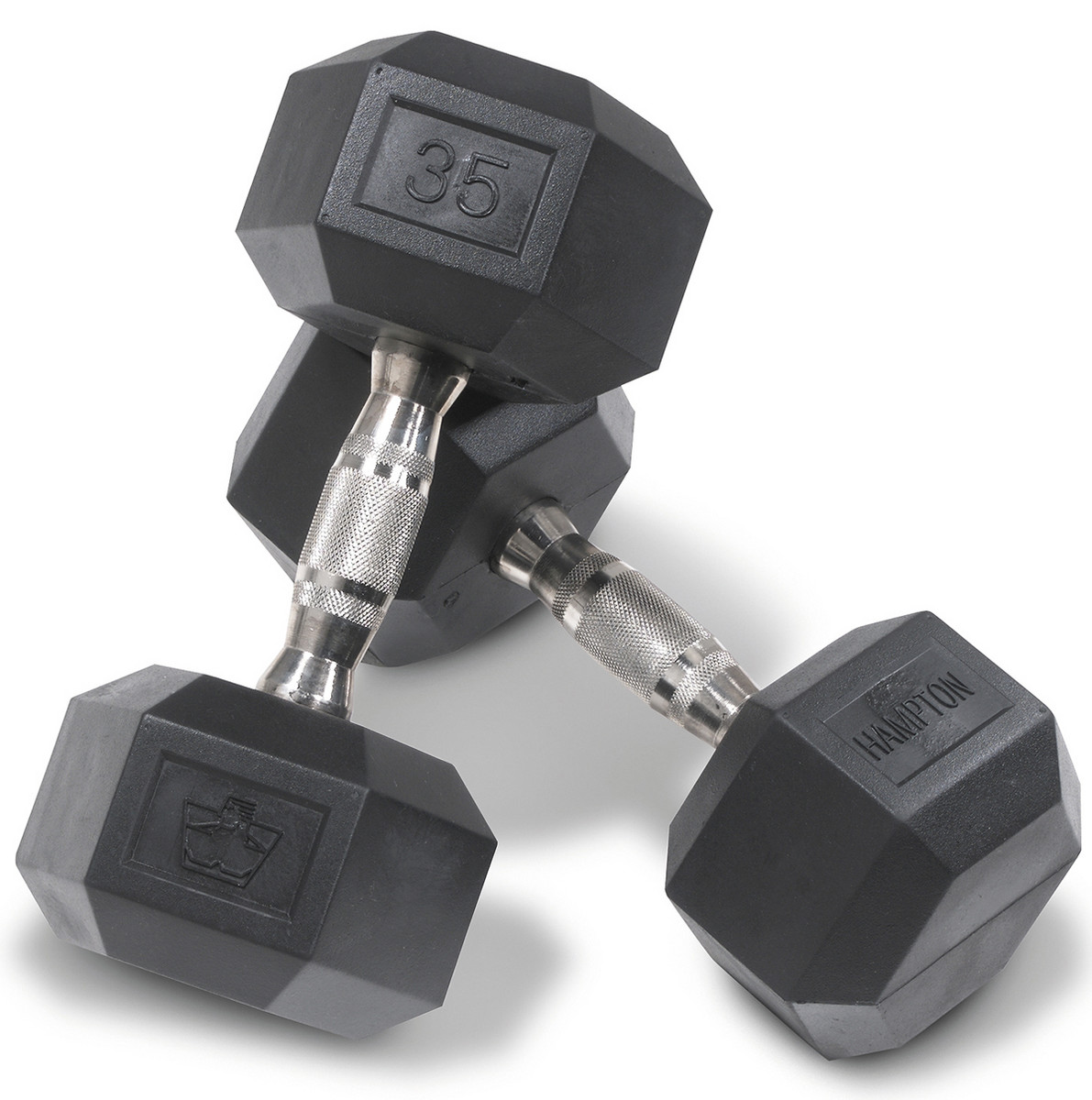 Aerobic exercise is important to help maintain calorie balance and heart health, but anaerobic exercises- strength training- is the most important for stimulating testosterone release. Men with greater muscle mass tend to have greater levels of testosterone. Working the large muscle groups (Legs, Back and Chest) give men the biggest bang for their buck. Therefore, adding in exercises such as the following can keep these muscles in tip-top shape.
- Legs: squats and lunges
- Back: pull-downs, pull-ups, and rows
- Chest: Push-ups, press and flies
One can increase the intensity of their strength training routine by slowing down the movements. The slower contraction and release can stimulate the muscle greater than pumping quickly.
Aerobic and anaerobic routines can be completed on the same day or different days depending on the amount of time an individual has. Ideally, it is recommended to exercise for 30-60 minutes everyday.
Calm Down
We don’t want to be fighting or flighting 24/7, so identifying ways to cool down and manage stress is also important for men’s health. When the body is under stress it releases cortisol. Cortisol actually blocks the effects of testosterone and thus mimics symptoms of deficiency.
Tips for calming down include:
- Creating margin in your life, or “you” time. Even if it is for 15 minutes on a Tuesday morning at least you know that that block of time belongs to you.
- Have a buddy. Social support is critical to emotional and mental health. Just the fact that you have someone to call if you need them can help to ease tension.
- Breathe deeply. Shallow breathing can perpetuate the fight or flight response. Taking a time out to count to 10 with 10 slow, complete breaths can do wonders for combatting stress.
- Eating well and Exercise. Both of these pillars of health mentioned above in detail are also critical for stress management.
- Catch some zzz’s. Often easier said than done but quality sleep is essential for allowing the brain to hit the reset button, Without REM sleep, the brain cannot organize its processed efficiently and eventually the neurotransmitters that impact mood and mental health enter disarray.
In summary, it is critical to take care of Daddy, too! Practice good health by passing the meat, get moving and calm down on a regular basis and the benefits of these healthy habits will greatly increase your energy, stamina and longevity.

