
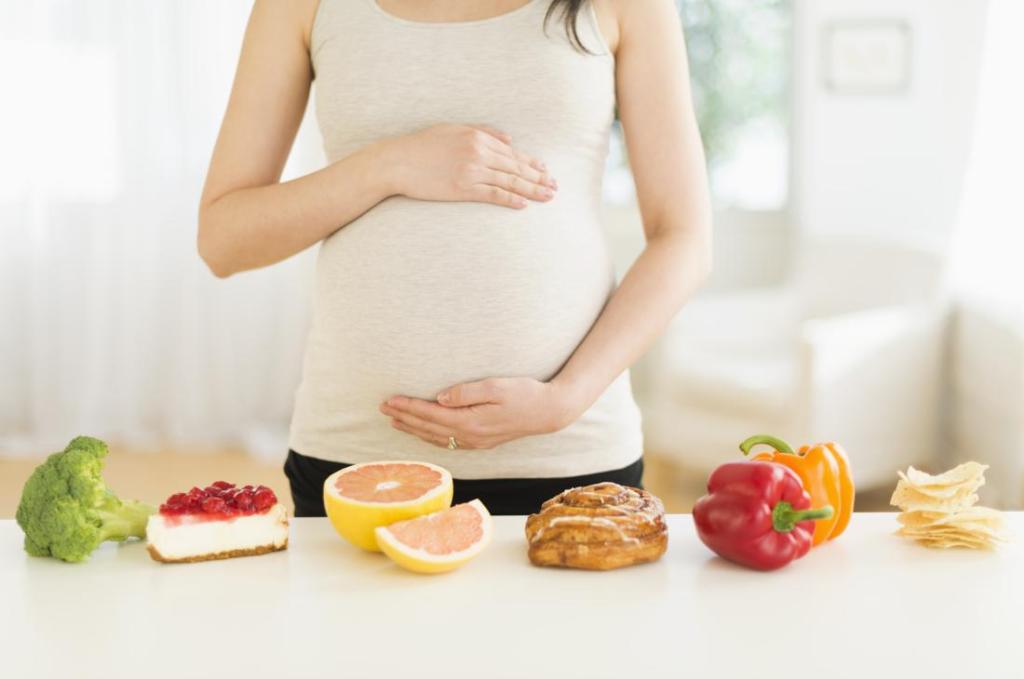
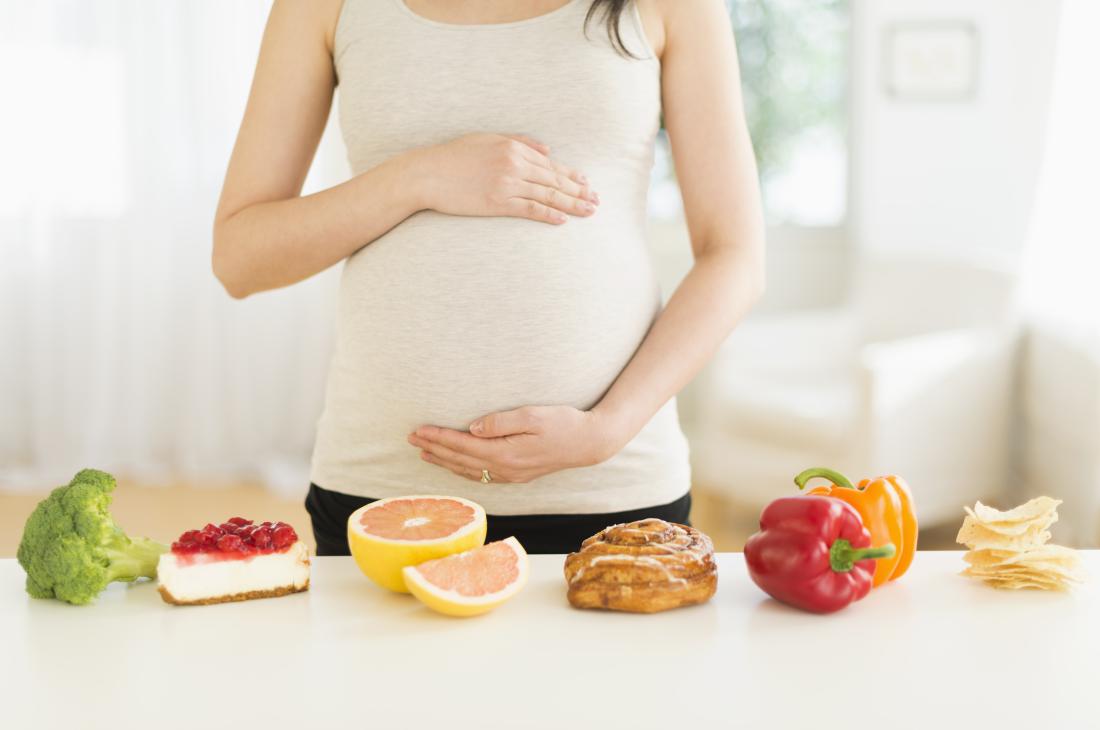
The study of fetal origins is relatively young but is a robust field of research involving epigenetics, developmental biology, nutrition and public health. The fetal origin research is composed of two hypotheses focused on the: 1) Developmental origins of health and disease and 2) fetal origins. The first is different because it focuses on the fetal environment and the environment within the first days of life. The fetal origins hypothesis focuses solely on gestation and its impacts on health at birth on into adulthood. This research is fascinating because it demonstrates the impact of maternal stress, health nutrition on the unborn child or children.
The Thrifty Gene
How we respond to our food environment may start very early. The “Thrifty phenotype” hypothesis suggests that poor fetal nutrition followed by abundance may lead to an increased risk of chronic disease later in life due to the metabolic adaptations made in utero. For example, lack of nutrients in the wombs may make permanent changes in the body’s insulin and glucose metabolism, which could make a person more susceptible to insulin-related disease states in adulthood, including obesity, type 2 diabetes, hypertension, elevated cholesterol, or metabolic syndrome. This hypothesis is the product of research on populations where mother’s experienced nutritional abundance, followed by famine, and then abundance again. Today, it is applicable to those with food insecurity where maternal malnutrition is prevalent. Thus, the infant will be biologically programmed to handle scarcity and then born into an environment with a plethora of caloric options. This equation sets an individual up for combatting chronic disease for the remainder of their lives.
Interestingly, this hypothesis may not be applicable to twins and high order multiples. Some assume that since twins share an energy source and are typically small for gestational age (SGA) that they have an even greater risk due to the metabolic modifications in utero. However, this may not be the case because twins have a different pattern of fetal growth from their singleton counterparts. There is evidence that twins down-regulate their growth early in gestation (first trimester) to protect against growth retardation caused by the lack of nutrition and cramped quarters in later trimesters. This action protects the baby from the associated metabolic disease states and risks later in life, including hyperinsulinemia and diabetes. This is refreshing news to this mother of high-order multiples.
Taste Buds
An infant’s taste buds are developed as early as the 14th week of gestation and completely by the 7th month of gestation. This means they are learning to love and understand food before they experience life outside of the womb. Therefore, a mother’s dietary choices have potential to teach a child which foods are safe. For example, if a mother enjoys a plethora of bitter vegetables (broccoli, brussel sprouts, kale, etc) and potent flavors (onion, garlic) their child will learn that these flavors are safe to consume despite being programmed to “know” that bitter equals poison. This foundational palate can lead to an adventurous eater versus battle-after-battle with a picky eater later in life.

Don’t fret if your in-utero diet was far from healthful. There are strategies for saving those taste buds from becoming boring.
- Don’t be a short-order cook. Prepare one healthful meal and inform the family that this is what is for dinner. They can choose to enjoy it with the family or forego the meal. Be courageous and know that children will not suffer if they refused a meal or two.
- Celebrate salt-free flavors. Children have a very delicate palate and are ready to explore a variety of flavors outside of sweet and salty. Champion aromatic vegetables, fresh herbs and spices. Find out your family’s favorite flavors to spice up the day-to-day meals. If this sounds like too much. Consider a little garlic powder, which to a child will be a whole new experience.
- Make meal time, family time. Create a sacred space at meals to not only enjoy food but emotions and conversation. Families that eat together, stay well together.
- Take the emotion out of trying new foods. Trying new foods can be quite scary, especially since we are programmed to avoid bitter foods. Individuals with sensory processing issues can truly experience scary internal feelings when they encounter a taste or texture they don’t like. Therefore, get to the bottom of the picky eating. When trying new foods, try to take it at their pace, in a safe space and without emotion.
We know that a baby’s palate is shaped before birth. What our mothers chose to eat and drink has forever imprinted our brain with food memories which may influence our faves and dislikes. Therefore, we need to slow down, think twice and put our best fork forward.

