
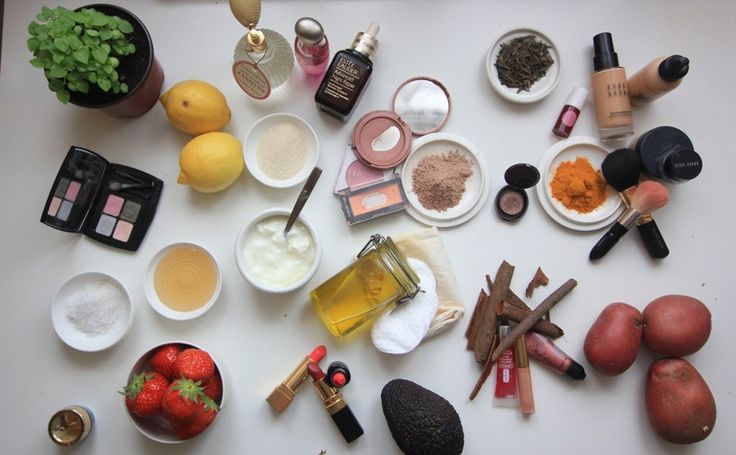
Conversations of tweens have evolved in the last year from raving about skinny jeans, crop tops and 90’s nostalgia to E.L.F., drunk elephant and a January sun (Sol de Janeiro). You don’t have to be a parent to know that the skin care market has a new audience – Generation Alpha. Last year, there was a 19% increase in annual spend by tween and teen shoppers on skincare products as compared to the prior year. Social media takes credit for this bloom where you’ll find this generation’s influencers raving about their latest “haul” from Sephora and demonstrating their GRWM routines. So, is it with the investment of $50-$200 per month? The over simplified answer is probably not, and it may be doing more harm than good.
Under a Microscope
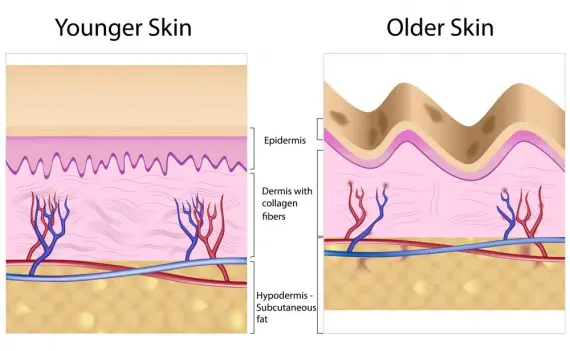
Let’s head to the science lab to explore! What is the body’s largest organ? Our skin. It’s primary job is to protect. The healthier the skin, the more protection.
Skin’s worst enemies include:
- Inflammation: The body’s natural defense and can be quite beneficial to help fight infection, but when this process is increased beyond controls it begins to damage the body. The word inflammation means to “ignite” and is like fire in the body.
- Oxidative Stress: This stress is caused by free radicals. Free radicals can come from the breakdown of product in our body (metabolism), exposure to the sun, smoking and processed foods.
- Dryness: Dry skin can be caused by cooler dry weather, harsh soaps, too much exposure to the sun or dehydration (not drinking enough water). This causes the cells (building blocks) to get smaller and the barrier is weakened.
Healthy skin has a strong matrix made from collagen and elastin, an acid mantle, and ready access to antioxidants like vitamins C and E. The acid mantle is a film of protein building blocks (amino acids), natural oils, and sweat that protects your skin. It is important to protect this barrier by nurturing the skin’s pH (acid-base balance). If you neutralize it with alkaline washes or scrub too much, you can kiss the barrier goodbye which decreases the elasticity (elastin) and actually can promote acne from bacteria that love alkaline pH (propionibacterium).
In the Kitchen
Ask any dietitian, “you are what you eat.” A solid meal plan is just as important as that 12-step skin routine. The following skin nurturing nutrients can give your body what it needs to restore that natural glow.
Healthy Fats
We hear a lot about the magic of Omega-3 fatty acids. They are a key ingredient to combatting inflammation in the body and less inflammation equals healthier skin. The best source of “omega-3’s” are fatty fish including:
- Herring
- Salmon
- Albacore Tuna
- Sardines
If you’re not into fish, plant-based sources include walnuts, almonds, ground flaxseeds or chia seeds. These healthy fats often include a hefty dose of fat-soluble vitamins including Vitamin E. Vitamin E can help to prevent damage to the skin as a free radical remedy.
Taste the Rainbow
Plant-based foods are loaded with colorful antioxidants; each color category represents a powerful antidote for free radicals:
- Red (Lycopene): This is the one time I’ll admit that Ketchup is a vegetable (don’t tell my kids). Processed tomatoes contain higher amounts of lycopene than fresh tomatoes. Lycopene is a potent antioxidant that can keep skin smooth.
- Orange/Yellow (carotenoids): From carrots to bell peppers to sweet potatoes to your choice citrus, Orange fruits are great sources of vitamin C which can help fight wrinkles as a sidekick to collagen.
- Green (chlorophyll): Those dark leafy greens pack a powerful punch to support overall health including your skin.
- Blue (anthocyanins): Fresh, frozen, or dried berries are a strong source of antioxidants.
- Purple (betaines & polyphenols): Beauty & the Beets! Beets are very high in betaines, which promotes anti-inflammatory and detoxification processes throughout the body. Red grapes are also well-known for their polyphenol content like resveratrol.
What Else?
Coenzyme-Q10, often referred to as CoQ10, has been touted as the “fountain of youth” because it supports skin reproduction giving a more youthful appearance. CoQ10 is found in a variety of protein-rich foods which support the body’s production of this powerful antioxidant.
Collagen also gets a lot of attention but not all collagen is created equal. Types I and IV (4) Collagen work with hyaluronic acid and elastin to create the tight matrix we call skin. The other three types of collagen support joint, muscle, hair and eyes. Research supports a daily dose of 2.5 to 10 grams of hydrolyzed type 1 and 4 collagen daily with Vitamin C may lead to healthier looking skin within 2-3 months.
The list of nutrients goes on and on, to learn more check out my post entitled, Beauty and the Beets!
Now, I’m not positive this will influence the habits of the Swiftie in your home, but it may help you to sneak your own skin routine at your next meal!

