
In my first few days back to clinical care through Nourish, 50% of the patients on my panel had a diagnosis of anemia. My mind – primed for population health – immediately started exploring system factors that may be related to this surprising prevalence. As I dove in, I learned that the prevalence is not met with clear or satisfactory treatment options. My goal here is to satisfy this gap with accessible, evidence-informed nutrition information that folks can use to prevent, manage and reverse their anemia.
Anemia means that the blood doesn’t have enough healthy hemoglobin to adequately carry oxygen throughout the body. Iron deficiency is a common reason this happens, but it isn’t the only nutritional culprit. Anemia can show up differently than one may expect.
Signs & Symptoms
Some people with anemia feel exhausted or early fatigue and others don’t realize anything is wrong until routine blood work identifies it. Possible symptoms include:
- Fatigue or lack of energy
- Weakness or reduced strength or tolerance for exercise
- Shortness of breath
- Dizziness or lightheadedness especially upon standing
- Headaches
- Difficulty concentrating or “brain fog”
- Rapid heartbeat or palpitations
- Feeling unusually cold
- Pale skin
- Restless legs
- Craving or chewing non-food substances such as ice, known as pica
In children and adolescents, iron deficiency can also affect learning, attention, physical performance and development. Symptoms alone, however, cannot tell us whether someone has anemia or what’s causing it.
Anemia Is a Finding
This distinction matters because a diagnosis of anemia is one step on the journey of health and can be a key clue into underlying issues. A low hemoglobin tells us anemia is present because hemoglobin’s job is to carry oxygen throughout the body. It doesn’t automatically tell us why. Iron deficiency is one possibility, but anemia can also result from:
- Not getting enough of other nutrients: Most notably inadequate Vitamin B12, folate and iron are known to cause anemia but Vitamins A, C, E, B2, B6 as well as, copper and zinc participate in healthy red blood cell production and protection.
- Losing blood: Heavy menstrual periods, gastrointestinal bleeding, surgery, pregnancy and childbirth can all result in significant iron loss.
- Needing more: Infants, growing children and adolescents, menstruating teens, pregnant people and those recovering from pregnancy have periods of particularly high demand for the nutrients that support healthy blood cells.
- Not absorbing enough: Someone can eat iron and still struggle to absorb or use it appropriately. Gastrointestinal disorders and certain surgeries can interfere with nutrient absorption.
- Inflammation and chronic disease: Inflammation can change the way the body stores and uses iron. This is one reason simply taking more iron isn’t always the answer.
What Does the Gut Have to Do With It?
Your digestive tract is where nutrients from food become available to your body. Iron, vitamin B12, folate and the other nutrients necessary for blood production must digested and absorbed in order to be used in these processes.
Gut health can also influence what foods someone is able or willing to eat. Chronic nausea, reflux (indigestion), abdominal pain, constipation, diarrhea or restrictive diets may gradually decrease nutrient variety. Having anemia does not automatically mean you have a “leaky gut,” imbalance in your microbiome (bacteria in your gut) or food sensitivity. An evidence-informed integrative approach starts with established causes before looking for more exotic ones.
Getting the Diagnosis Right
A complete blood count (CBC) usually where clinicians start. This panel includes hemoglobin and hematocrit which tell us whether anemia is present. Other measurements in the CBC provide clues about the red blood cells [RBCs], including their size and how much hemoglobin [oxygen carrying capacity] they contain.
Depending on the symptoms and clinical picture, clinicians may consider tests such as:
- Ferritin (Signal of iron storage)
- Serum iron (concentration of iron bound to transferrin protein circulating in your body)
- Total iron-binding capacity or transferrin ((how much iron your blood could carry if every available transferrin binding site were occupied)
- Transferrin saturation (calculated ratio: serum iron divided by TIBC, multiplied by 100 and describes the blood’s iron-carrying capacity currently in use)
- Vitamin B12 and folate (both support RBC production and when either are low can result in larger RBCs that are not fully developed)
- Reticulocyte count (number of immature RBCs in bone marrow)
Sometimes additional testing is appropriate based on symptoms, medical history and the pattern of the anemia.
Ferritin can be particularly helpful for understanding iron stores, but even ferritin requires context because inflammation can can cause it to go up and down.
Good nutrition care isn’t about ordering every available test. It’s about ordering the right tests to answer the right question.
Food Is Medicine
Food provides the building blocks the body needs to make healthy blood with the spotlight on Iron. Iron comes in two primary dietary forms.
- Heme iron, found in animal foods, is generally absorbed more readily.
- Nonheme iron, found in plants and fortified foods, is more sensitive to what we eat with it which increases risk of deficiency for those that follow vegetarian patterns.
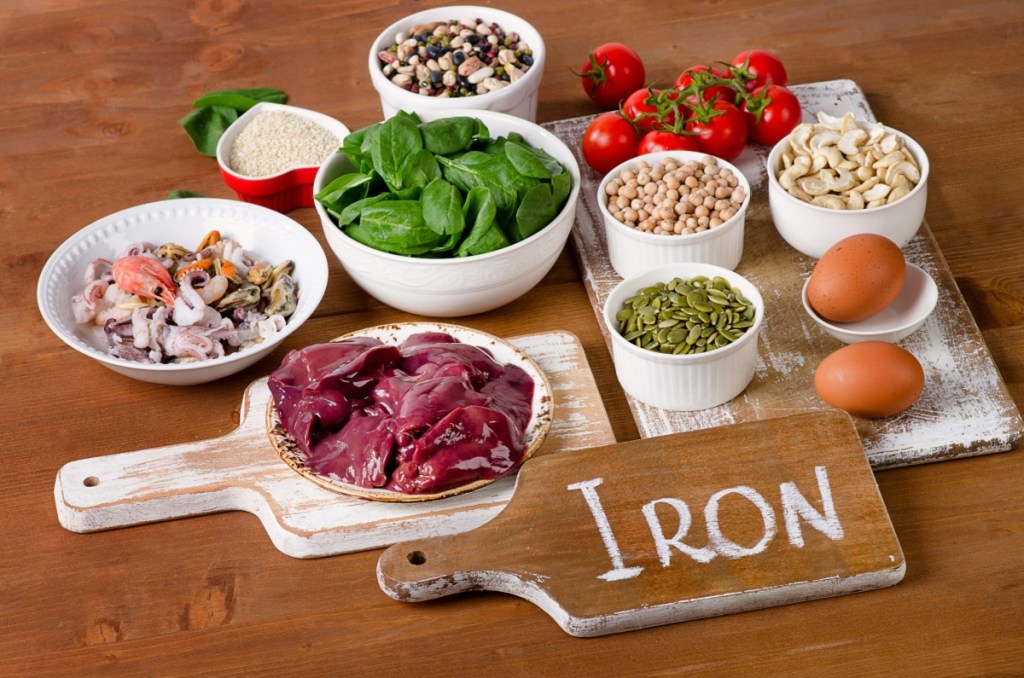
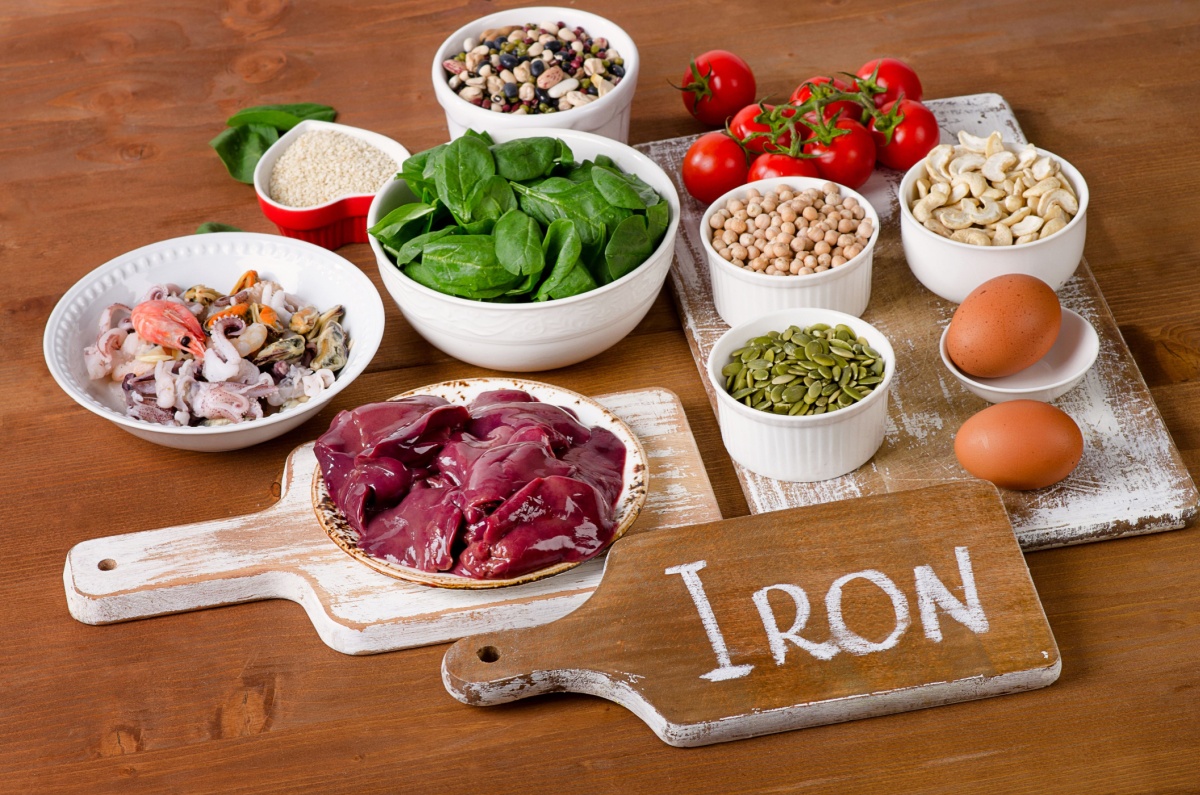
Iron-rich foods include:
- Meat, poultry and seafood
- Beans and lentils
- Tofu and other soy foods
- Nuts and seeds
- Dark-green vegetables
- Iron-fortified cereals and grains
Pairing iron with Vitamin C can improve the absorption of non-heme iron sources:
- Lentils + tomatoes
- Beans + bell peppers
- Iron-fortified oatmeal + berries
- Spinach + strawberries
- Chicken + broccoli
There are other nutrients that block the absorption of iron and ideally should be enjoyed separately from high iron meals. These include
- Polyphenols found in coffee and tea
- Calcium from green leafy vegetables and dairy products
- Zinc in pumpkin seeds and chickpeas
What About Iron Supplements?
When iron deficiency is confirmed, food can help rebuild and maintain iron stores but moderate or severe iron-deficiency anemia may require iron replacement from supplements. There are several forms of oral iron. Ferrous sulfate is well studied and inexpensive, while other types may be better tolerated by some people. More isn’t necessarily better. Iron can cause constipation, nausea and other symptoms, and excessive iron can be harmful. Iron supplements are particularly dangerous if accidentally consumed by young children.
The right dose also differs greatly between a young child, adolescent, pregnant or postpartum woman and another adult. For some people with significant anemia, poor absorption or intolerance to oral iron, intravenous iron may be appropriate under medical supervision. That’s why I don’t recommend treating unexplained anemia by simply grabbing an iron supplement from the shelf.
Key Takeaways
Anemia is common, but common doesn’t mean insignificant. And anemia isn’t synonymous with iron deficiency. Our blood can provide an important window into adequacy, absorption, blood loss, inflammation and overall health. Food can be powerful medicine. But the best nutrition care doesn’t begin with a supplement or an elimination diet. It begins with curiosity.
Identify. Understand. Replenish. Recheck.
From there, we can use food, appropriate supplementation, movement, medical treatment and the broader healthcare team to help the body rebuild what it needs from fuel to flourish.
Book with Dr. Cassie
Wondering whether your nutrition is meeting your body’s needs, you don’t have to figure it out alone.
As a Registered Dietitian Nutritionist, I use an evidence-informed, whole-health approach to help you connect the dots between your labs, food, gut health, lifestyle and overall health and turn those insights into a realistic plan that works for you.
This article is for educational purposes and is not individualized medical advice. Anemia should be evaluated with an appropriate healthcare professional before beginning therapeutic iron supplementation.

