It seems that the further we move away from the way a nutritious life was intended to be the more problems arise. For example, we refine and process flour, fat and sugar and soon they fall on the list of carcinogens. We become too lazy to grocery shop and cook a meal, so we swing by a local fast food joint. We find time to watch our favorite TV show, but can find 10 minutes to walk around the block. It is pretty sad to me, when you start to think about.
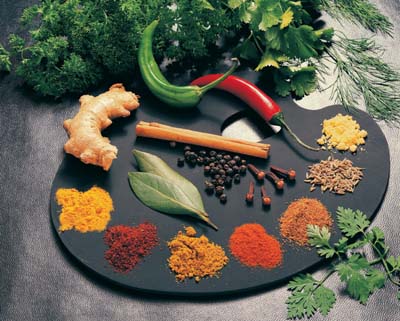
As many of you know, I’m not one to just think about things…I like to take action! So, I have been looking into how what you eat and what you do can not only prevent disease but treat disease. My newest kick has been herbal remedies for everything from a bellyache, to sore throats, to even the dreaded hypothyroidism. I find it simply fascinating that the cures we are striving after are right beneath our noses…or in our gardens.
Herbal remedies used to be all that people knew to prevent and treat disease. Then, beginning in the 19th century, herbs fell out of favor with doctors no other reason except that they were natural! Many report that physicians opted for conventional medicines because unlike natural medicines they are made of only one compound. For example, aspirin is composed of one single chemical- aspirin. Where as a natural herb may have hundreds of bio-active compounds. Medicinal plants can be difficult to work with and study because of the variable constituents responsible for their actions. Many are also weary of using plants as natural medicine because they can vary by crop, similarly to grapes used for wine. The most popular reason that people have strayed from the garden for healing, is that herbs can be easily confused with another. Therefore, it is important to have trust-worthy sources of information, education, and materials.
I am currently sold out to complementary and alternative treatments, so much so that with my recent cold, I opted out of the daytime cold medication and opted in for a tea concocted with ingredients in my cabinet. I would like to spend some time showcasing my new favorite cold remedy.
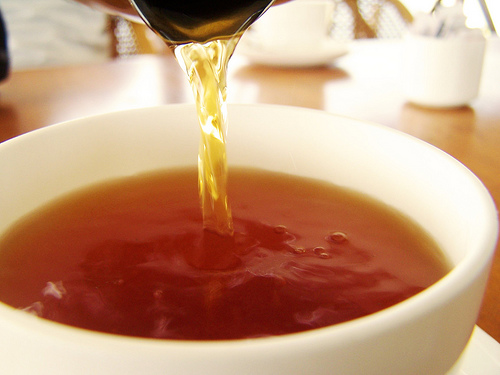
Reme-Tea for the Common Cold
You will need:
- 1 clove Garlic (allium sativum), crushed
- 2-3 T fresh Lemon juice (Citrus limon)
- 1 t Honey
- 1 t fresh Ginger (Zingiber officinalis)
- 1 Cinnamon stick (Cinnamomum verum )
- 2 C Filtered water, boiled
- Peel the clove of garlic and let stand on the counter for 15 minutes (this allows time for the compounds to activate)
- Boil the water on the stove in a pot or kettle.
- While the water is heating, prepare the ingredients and place in a dish.
- Pour the hot water over the ingredients and allow the tea to steep for 2 minutes.
- Strain tea into a mug and enjoy.
I must say that this tea has a unique flavor. It took me about 3 mugs worth to finally acquire the taste. But, the benefits that I reaped were incredible; my mouth and throat stopped hurting, my airway (nose) opened, my voice improved. The benefits last about 3 hours, and then it was time for more tea! I also used this tea to wash down some Echinacea capsules.
So, why does this work so well? Let’s explore one ingredient at a time. Also, I will be referring to the ingredients by their Latin names, simply because it’s more fun!
Allium sativum – Fresh raw garlic has been widely-researched and used traditionally for many moons (as my dad would say). 1 clove has been effective as an antibiotic, antifungal, blood thinner, lowering blood pressure and cholesterol and benefits our intestinal flora. It is often used with Echinacea.
Citrus limon– Lemons are one of the most useful home remedies for antiseptic and detoxifying agent. It is best taken as diluted juice. It is also a potent antioxidant, high in vitamin and bioflavonoids that can stimulate the livers natural detox processes.
Honey- This sweet syrup has been used for the past 4,000 years to treat bacterial and microbial infections, even drug-resistant forms. It is also known to be a supreme dosha balancer for all of you Ayurveda-lovers out there. It can vary by the bee and the flower, but is always effective. Since it is a sweetener, too much of a good thing can be too much, so take note that it has 20-40 calories per teaspoon.
Zingiber officinalis– This rhizome is touted for helping with nausea and indigestion, but it is also commonly combined with ginger to combat the common cold. Fresh is best- just peel and mince.
Cinnamomum verum– This is by far my favorite spice! The inner bark of the cinnamon tree has been used since ancient times as an antimicrobial agent, astringent, and mild stimulant to help with indigestion (nausea, gas and bloating) and promote circulation. Its antimicrobial action can not only help with cold symptoms but also combats the H. pylori, which causes pesky stomach ulcers.
Echinacea– This pretty pink flower is thought to stimulate the body’s immune system and help to prevent bacterial and viral infections. It also has been known to help heal wounds, cleanse the blood and act as an anti-bacterial and anti-viral agent. The whole plant is typically dried, ground and taken as a tincture, tablet or capsule. The most effective form is as a tincture. Research says that it is most effective if taken at the first sign or symptom of a cold or infection.
So, there’s your ancient herbal lesson for the day. I am convinced that the way of life will come full circle, and we will head back to nature for more than just a weekend getaway!
Written by: Cassie Vanderwall


Comments
One response to “Back to Nature”
Add Andrographis to your cold prevention regimen! I take it either in a tincture or pill form. It’s my favorite herbal anti-viral/immuno-stimulator! Pair it with a neti pot and you’ve got great cold fighting power!