
 As I navigate complementary and alternative modalities for hypothyroidism, I would like to provide an update. I remain on my journey to achieve a healthy thyroid, and I am happy to report progress! Now, 2 months later, I am tapering down my dose of Synthroid® and maintaining a healthy level of Thyroid Stimulating-Hormone, or TSH.
My mission remains to identify a dietary lifestyle that promotes thyroid health and eliminates the need for hypothyroid medication. My initial challenge was to follow an iodine-sufficient meal plan with limited amounts of soy, cruciferous vegetables and leafy greens for 1 month. I have been following my meal plan since April 1. I discovered prior to starting the plan that my typical dietary intake was clearly deficient in iodine, while being quite high in soy protein and cruciferous vegetables…whoops!
As you may recall from a previous post, entitled Restorative Exercise, thyroid function is heavily influenced by the hypothalamus and pituitary gland, so I must admit that I have been experimenting with other factors that may influence the health and wellbeing of my thyroid gland, but for today let’s focus simply on the power of iodine!
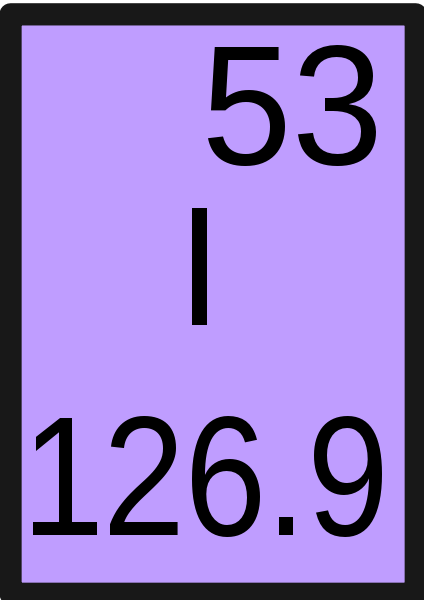
Iodine is the 53rd element, a non-metallic trace element found in oceans and soil around the world. It is known primarily for its role in thyroid health because it is a key ingredient in the production of thyroid hormones. There are two thyroid hormones required for healthy thyroid function: triiodothyronine (a.k.a. T3) and thyroxine (T4). The body incorporates iodine into these hormones in the bloodstream. T3 differs from T4 because it is active, meaning that it has a job to do. T4 is an in-active form, but can be converted to T3 by an enzyme that contains selenium (we’ll save selenium for another day). T4 typically chills in the bloodstream waiting to be converted. T3 works out of the liver and the brain to modify gene expression, or how genes regulate several processes in the body. These processes include growth, metabolism and reproduction.
Iodine deficiency can promote a wide-range of symptoms, including:
- Enlarged thyroid, or Goiter
- Hypothyroidism (Fatigue, Depression, Weight gain)
- Mental Retardation
One can prevent deficiency by consuming 150 to 300 micrograms of iodine every day. Currently, it is not recommended that people consume more than 450 micrograms daily, as this is considered excessive.
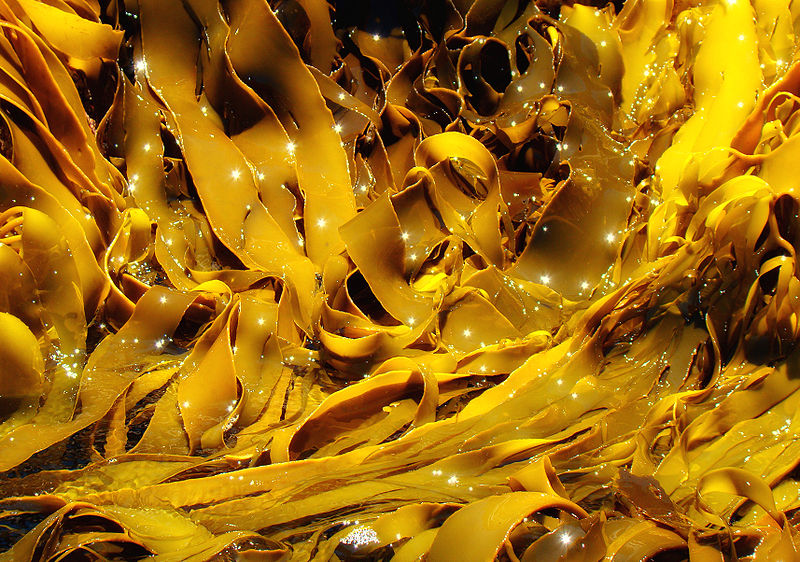
Food sources of iodine include:
- Kelp, Sea vegetable
- Fish and Shellfish
- Cow’s milk, Yogurt and Mozzarella cheese
- Eggs
- Strawberries
I found kelp flakes very helpful in meeting my daily requirement of iodine. I sprinkled less than 1/8 tsp on one food every day. I found that they taste best on turkey sandwiches, eggs and green vegetables. It has been quite amazing to see and feel the results of correcting a simple nutritional deficiency.
If you struggle with hypothyroidism, or any of the symptoms of iodine deficiency, I would recommend contacting a dietitian to review your dietary pattern.
Written by: Cassie Vanderwall, MS RD LDN CPT


Comments
One response to “Iodine: The 53rd Element”
[…] More Sources « Iodine: The 53rd Element […]