
 We planned to save selenium for another day, and that day has come. In a previous post, “Iodine: the 53rd element,” we explored selenium’s partnership with iodine. Selenium is another essential mineral, the 38th element that is vital to health and well-being.
It is recommended that people over the age of 13 years get 55 micrograms of selenium daily, this is the recommended dietary allowance (RDA). Children need less (20-40mcg) and women who are pregnant (60mcg) or breastfeeding (70 mcg) need more. We get the selenium we need from both water and food. Some people often supplement selenium to use it as medicine.

Selenium content of food varies depending on where it was grown, or where the animal was raised. For example, selenium soil levels are quite low on the East coast and in the Northwestern coastal states, however selenium levels are very high in Northern Nebraska and the Dakotas. Overall, the average intake of selenium in the U.S. is about 125 mcg.
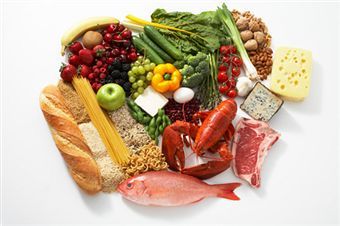 Good sources of selenium include:
- Brazil nuts (544 mcg),
- Seafood: Tuna (63mcg) and Cod (32mcg),
- Beef (35 mcg),
- Poultry (20 mcg), and
- Wheat (4-17mcg).
Selenium is used in the body to make proteins called selenoproteins, which help to prevent damage from free radicals by acting as antioxidants. Selenoproteins have a function in heart health, immunity, mental health, cancer prevention, and thyroid health. Some people use selenium to treat osteo- and rheumatoid arthritis, macular degeneration, hay fever, infertility, and cataracts. In fact, one of selenium’s most studied roles is in thyroiditis, including hypothyroidism and autoimmune thyroiditis (Hashimoto’s thyroiditis). Early research has shown that taking 200 mcg of selenium daily can decrease the antibodies that promote thyroiditis. It is important to ensure that an individual does not have iodine deficiency, because supplemented selenium in this can make hypothyroidism worse.
Selenium may also be dangerous to take with several drugs used to treat various cardiovascular ailments, including:
Morals of the story are be sure to inform your doctor, nurse, pharmacist and/or dietitian of the medications and supplements you are taking, so that we can help you the best we can, and avoid taking supplements alone because typically vitamins and minerals work together, so the best sources are food.
Written by: Cassie Vanderwall

