
 Written by: Cassie Vanderwall
We have delved in the bad news regarding this soy conundrum, but have yet to investigate the benefits of soy. Soy intake in America is on the rise, whether one knows it is there or not. Many attribute this increase to Asian fare working its way into the Western world.
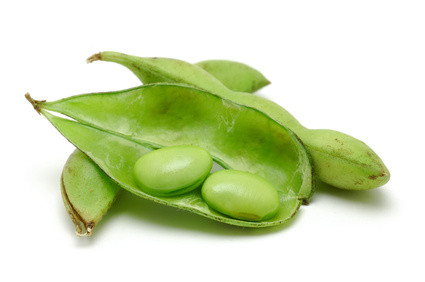
Soy in its natural form as a bean/legume is composed of 50% protein, 24% carbohydrate and 24% oil. Soybean oil contains saturated fat (stearic), omega-6 unsaturated fat (linoleic) and palmitic fatty acids that have effects that resemble trans fats.
It is common knowledge in the Eastern part of the world that raw and unfermented soy bean is “indigestible.” Soy was actually not considered a food for humans until the Chinese learned how to ferment it. Asians tend to consume only about 10g of fermented forms of soy per day whereas the average American consumes primarily unfermented soy and up 75g per day- this is a big difference.
More appears to not be better. Remember, Asians who may experience the benefits of soy only eat 10g per day versus the 75g that Westerners consume. The benefits of soy outweigh the risks when it is consumed in moderation. It is similar to alcohol in that 1-2 glasses per day are heart healthy but above and beyond is harmful.
There is an abundance of research regarding the benefits of soy. It is high in phytochemicals, specifically isoflavones and lignans. Isoflavones mimic the effects of estrogen in the body and thus may positively affect a variety of disease states. These isoflavones help to:
- Support bone mineral density and prevent osteoporosis by increasing concentrations of osteocalcin (marker for bone growth) and inhibit, or stop, the action of osteoclasts (marker for bone breakdown). High intake of soy may decrease parathyroid hormones, which may also decrease the turnover of bone.
- Ease symptoms in menopause, such as hot flashes, since it resembles estrogen, which naturally decreases during menopause.
- Prevent hormonal (breast, endometrial, thyroid), prostate and lung cancers due to its anti-proliferative, anti-angiogenic and anti-oxidant activities. Additionally, the protease inhibitors and phytates discussed in the “bad” news, may actually play a role in deterring cancer cell growth. There is a lot of controversy surrounding soy and cancer and it again involves research completed in Asian women. It is hypothesized that when fermented soy is introduced early in life it may be protective of breast cancer due to its role in cell differentiation and mammary maturation and these cells tend to be less susceptible to cancer. In regards to prostate cancer, soy’s estrogen-like effects seem to reduce natural estrogen and testosterone levels in healthy men; this does not appear to apply in men with prostate cancer.
Soy’s high fiber (lignan) content may help to control blood sugar levels in diabetes. It may also help to influence a variety of factors in the use of glucose for energy including tyrosine kinase activity and increasing insulin sensitivity. Touchi, a Chinese seasoning, may also help to lower blood sugar levels after meals, which in the end also helps to lower triglycerides.
Soy is also recommended for the management of both high cholesterol and high blood pressure. Soy protein is a lean alternative to higher fat meats and this substitution may help to reduce an individual’s LDL (“bad”) cholesterol. There is also some research to suggest that soy’s isoflavone activity may decrease total cholesterol.
Fermented tofu and soy protein are also high in tyramine. Tyramine is a natural monoamine that acts similarly to a catecholamine and releases other monoamines, including dopamine, norepinephrine and epinephrine, which all may reduce blood pressure. On the other hand, persons who are currently taking MAOI’s (monoamine oxidase inhibitors) may experience a sharp rise in blood pressure and thus tyramine-rich foods are contraindicated.
Many believe that soy’s health benefits are possible only from fermented soy and soy products. Legumes and beans require more than soaking to breakdown the high phytate content. During fermentation, natural enzymes help to reduce the phytates to a safe level.
My soy recommendation is to consume 10-15g of fermented soy daily. As you can see several of the products below are high in sodium, so be sure to keep that in mind.
- Low-sodium soy sauce/Tamari (1 Tablespoon: 10 Calories, 0g Fat, 1g Carbohydrate, 1g Protein, 575mg Sodium),
- Miso is a paste often used in soups, spreads and for pickling (2 Tablespoons: 68 Calories, 2g Fat, 9g Carbohydrate, 4g Protein, 1280mg Sodium),
- Tempeh is often used as a meat substitute (1oz: 55 Calories, 3g Fat, 3g Carbohydrate, 5g Protein, 4mg Sodium),
- Natto is a popular breakfast item with a powerful smell and acquired flavor (1/2 Cup: 185 Calories, 9g Fat, 12g Carbohydrate, 15g Protein, 6mg Sodium), or
- Fermented Tofu (1oz: 32 Calories, 2g Fat, 1g Carbohydrate, 2g Protein, 804mg Sodium).
The soy conundrum remains, but at least now we have the facts and can make an educated decision as to how we will partake in this popular bean.

