
Written by: Cassie Vanderwall
Money may not buy love or happiness but it certainly has become a resource for better health in the present age. Many people believe that eating healthy costs more money and depending on food costs, it very well may. This is why it is vital to be strategic about how the mighty food dollar is spent and reduce waste.
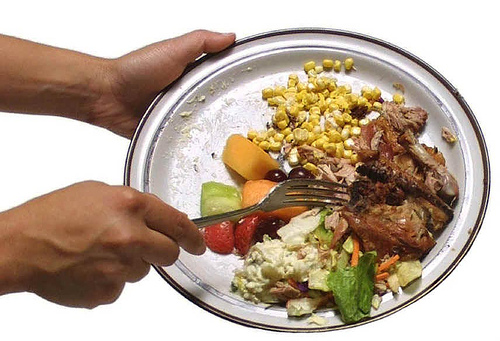
A recent report from the Natural Resources Defense Council stated that 40% of all food in the United States is wasted. This amounts to $165 billion every year! So, what does this look like on the individual level? The report estimates that individuals waste about 25% of everything they purchase. The average adult spent $3240 at the grocery store in 2011 (7% of their income), so this means of that they wasted food amounting to $810. The average family of four (2 adults, 2 kids) spends $13,000 annually or $250 every week. If they also toss out 25% of what they buy, they waste $63 every week. These wasted foods and funds can be reduced through the following 3 strategies.
Take stock before you shop
Try to get down to bare bones in the cupboard, pantry, refrigerator and freezer before hitting the store. This may require a thorough clean out of the kitchen first to ensure all foods are safe for consumption. Be sure to check the expiration dates on all packaged foods. If it’s expired, feel good about tossing it out. It is important to note that not all dates on packages are expiration dates. There are also “sell by” and “best by” dates and food may last long after these dates have passed.
When grocery shopping, bring a list and try to stick to it. Impulse buys are often the items that end up in the trash. Also, be weary of bulk items. It may be a great deal, but be sure you will eat it. Often times, bulk items get eaten faster when they are in less intimidating packages. Try to take some time to pre-portion these items, such as trail mix or snack foods into home-made 100-Calorie packs. This same method can be applied to chicken breasts, ground turkey and fish.
Get creative with your cupboards
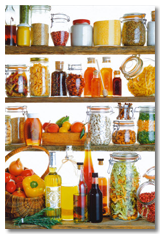 Now that you and your family have a clean slate to work with, you will begin to form the habit of working with a few odd items as you approach grocery shopping time. Pretend that you are on Top Chef: the Family edition and you’ll be having fun before you know it!
When just starting out, try to keep the following staples for quick and healthy meals on-hand:
- Grain/Starch: Quick brown rice, pasta, potatoes, and bread
- Protein: Canned fish, canned beans, eggs, cheese, milk, peanut butter, nuts and seeds
- Vegetable: Canned or frozen
- Fruit: Dried, Frozen or canned in water
Give over-ripe produce a second chance
Before tossing out squishy, mushy produce, try to give it a second life. Be sure to inspect it for mold and give it a quick sniff. If everything checks out, toss it in one of the following items:
Fruit
- Over-ripe bananas or apples are great for baking
- Fading berries work well in jam
- Grapes, cranberries, and other berries are great to dehydrate
- All others can be nutrient boosters in smoothies or home-made juices
Vegetables
- Sagging carrots, celery and wilted greens are perfect for soup
- Other over-ripe vegetables can be pureed into sauces or dressings
- Spinach, kale, cucumber, carrots, and many others are great for juicing and smoothies
It’s also important to keep a close eye on these perishable items. If you notice they are aging quicker than expected, prepare them and then store them in the freezer for a quick dish later in the week…or month.
Make food last longer by being smart about Portions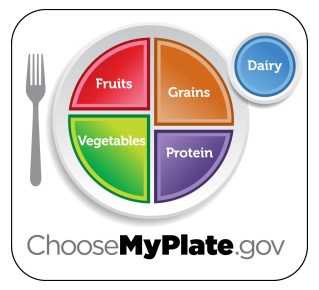
Most of the food wasted in restaurants is due to the large portions. Try to be mindful at home and follow the recommended portions for your age range. In general, the plate method featured on ChooseMyPlate.gov is an easy way to practice healthful portions at home. Just be sure to start with a 9-inch plate- no platters.
Be diligent when dining out and either order what you can eat or plan to take some home. Turn in your card to the clean plate club and remember leftovers are your friend.
The bottom line is that healthy eating may not cost more money, but does cost more time and both are too precious to waste. Try to…
- Take stock of your staples before you shop,
- Get creative with what is in your cupboards,
- Give over-ripe produce a second chance, and
- Be smart about portions to make food last longer.

