
Written by: Cassie Vanderwall, MS RD CD CDE CPT

Tis’ the season for spring-cleaning! Take the opportunity to peruse through things acquired over the last several months. Some people truly enjoy the refreshing nature of starting fresh with the turn of this season, and others dread the time it takes to sort, scrub and discard. The body also has a spring-cleaning process, but it happens more than one time per year; it is constant.
The Dispute
There is much debate in the nutrition community whether the body needs assistance in the detoxification processes. Some healthcare professionals state that the body can eliminate any toxins it comes into contact with without assistance. Detox critics warn consumers against fad diets that encourage people to hit their body’s “reset button.” Many detoxification protocols are quite extreme and include unhealthful behaviors that can cause more stress to the body; there are healthful habits that can support this natural process.
How it Happens
Detoxification is the physical removal of toxins from a living organism.When the body is equipped with healthy lungs, kidneys and a liver the body is constantly detoxing. In fact, the liver’s main function is to process toxins that we ingest purposefully (alcohol, cigarette smoke, charred meats, etc.) and unintentionally (pollution, heavy metals, etc.). In general, the detox process occurs in three phases:
- Phase I: A family of enzymes, known at Cytochrome P-450, lead a series of reactions that create an unstable form of the toxin. These reactions are known as oxidation, reduction and hydrolysis.
- Phase II: This step continues the process initiated in phase I and creates a water-soluble product that can be removed via bile or urine.
- Phase III: Activity in this phase occurs in the intestines where the intestinal cells (enterocytes) pump toxins, known as xenobiotics, back into the bowel. When the toxin re-enters circulation, phase I and II activities also increase, and the overall detox process occurs at a higher rate.
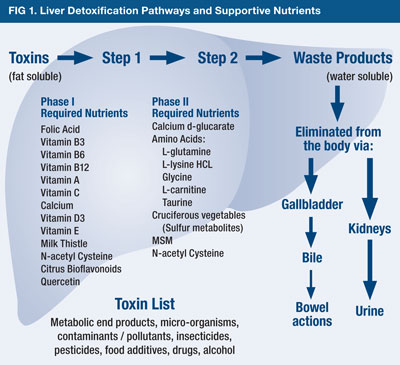
It is important to note that not all toxins cause this up-regulation. In fact, toxins from charred meats and cigarettes only increase phase I activity and not phase II. Therefore, there is potential for these toxins to reach unhealthful levels in the body.
How to Help
Research in the area of nutrition-supported detox is well underway, but remains inconclusive. Researchers do know that there are several nutrients, parts of foods that help to support the body’s spring-cleaning. Read on to learn how to help:
Reduce Exposure
The simplest way to support detox is by reducing the body’s exposure to toxins. This would include smoking cessation, consuming alcohol in moderation (0-2 servings per day), and avoiding the “dirty dozen.”
The dirty dozen plus are 14 fruits and vegetables that contain the highest levels of pesticide residues. If a person is interested in purchasing organic foods, these are the best ones to start with: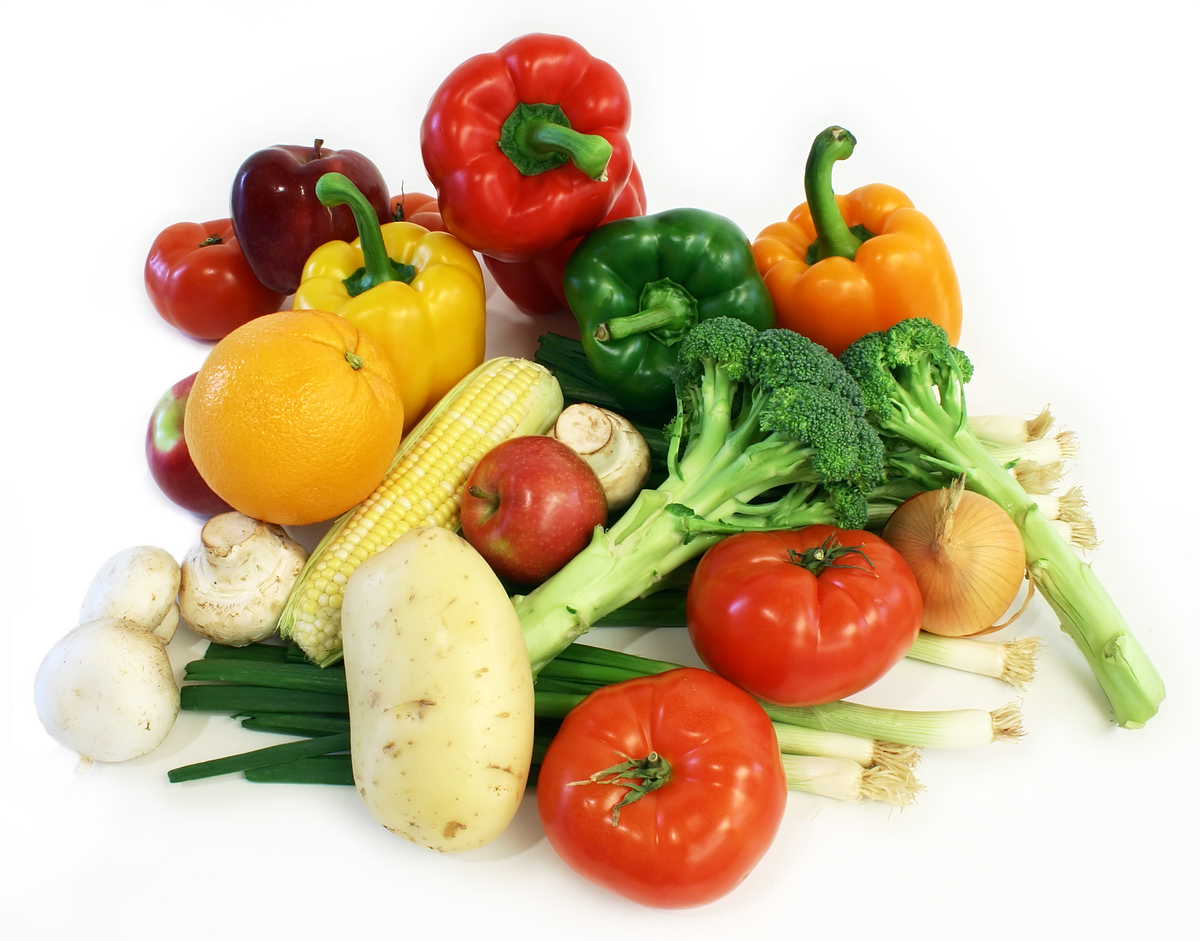
- Apples
- Celery
- Cherry Tomatoes
- Cucumbers
- Grapes
- Hot Peppers
- Imported Nectarines
- Peaches
- White Potatoes
- Spinach
- Strawberries
- Bell Peppers
- Kale and Collard Greens
- Summer Squash
Support the Process
Many of the detox reactions require specific nutrients. Therefore, the theory is that by increasing a person’s intake of these compounds they could support the detox process. These include B vitamins, glutathione and flavonoids:
- B Vitamins are found in dark green vegetables, orange fruits, whole grains, beans, poultry, fish and eggs.
- Glutathione is a potent antioxidant made of three amino acids (glutamate, cysteine and glycine). Milk thistle and curcumin (turmeric) have been shown to increase levels of glutathione in the body, fresh fruit and vegetables, and dairy products.
- Flavonoids are yellow-colored antioxidants that are found in several foods, including parsley, blueberries, tea, and citrus fruits.
Pick up the Pace
There are two ways to increase the rate of detoxification processes in the body:
- Choose foods that can increase the phase I and II activities, including cruciferous vegetables (broccoli, cauliflower, Brussels sprouts), onions and garlic.
- Stay hydrated by choosing water as the beverage of choice. When the body is well hydrated it is able to carry out its natural functions with ease.

